Hybrid vs electric cars in the Philippines: which to buy?
Reviewed . General information, not legal or financial advice.
Electrified cars are no longer a niche in the Philippines. As of November 2026 our catalogue lists about 100 battery EV variants, more than 110 hybrid variants and more than 70 plug-in hybrid variants, with the cheapest of each now under ₱1 million. This guide is for buyers deciding between a hybrid and a fully electric car: how each type works, what they cost to buy and run, and which government perks actually apply.
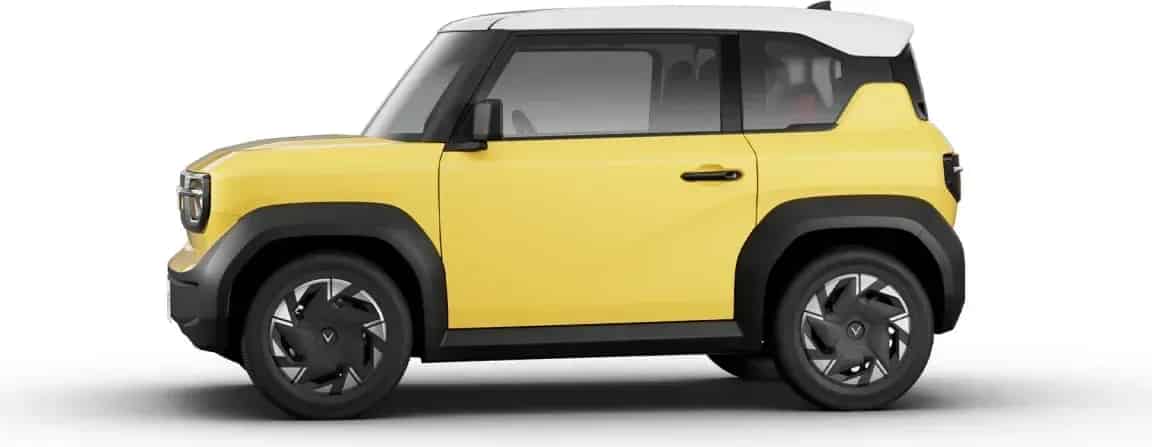
- Lowest battery EV SRP in our catalogue (VinFast VF 3, Nov 2026)
- ₱745,000
- Lowest plug-in hybrid SRP (BYD Seal 5 DM-i Essential)
- ₱948,000
- Meralco typical household rate, November 2026
- ₱15.55/kWh
- Excise tax on purely electric cars (hybrids pay half)
- 0%
What is a hybrid car?
A hybrid car has two power sources: a fuel engine and at least one electric motor fed by a battery. The car switches between them, or uses both, to burn less fuel than an engine-only car of the same size.
Philippine law adds a specific test. The TRAIN Law (RA 10963) only treats a car as a hybrid for tax purposes if it can move from a standstill on its electric motor alone. That one rule separates full hybrids from mild hybrids, which use a small motor to assist the engine but cannot drive on electricity. Mild hybrids are taxed like ordinary gasoline cars, and the Department of Energy (DOE) leaves them off its list of recognised electric vehicles.
HEV, PHEV, EREV and BEV: what is the difference?
The four types differ in battery size, whether you plug in, and whether the engine ever drives the wheels.
| Type | How it works | Do you plug in? | Uses fuel? | Example and SRP (Nov 2026) |
|---|---|---|---|---|
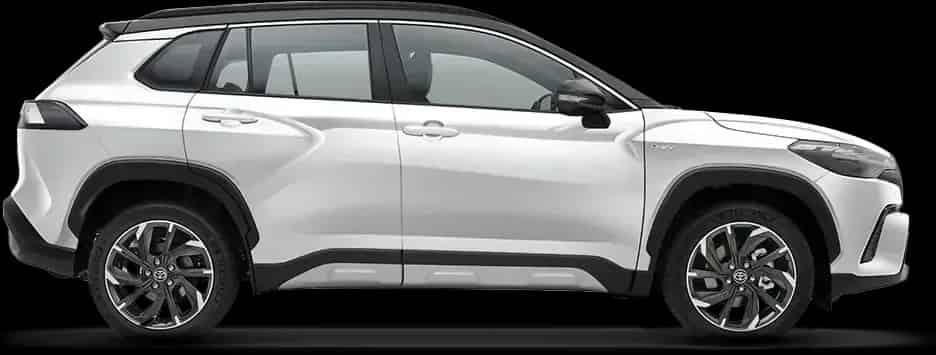
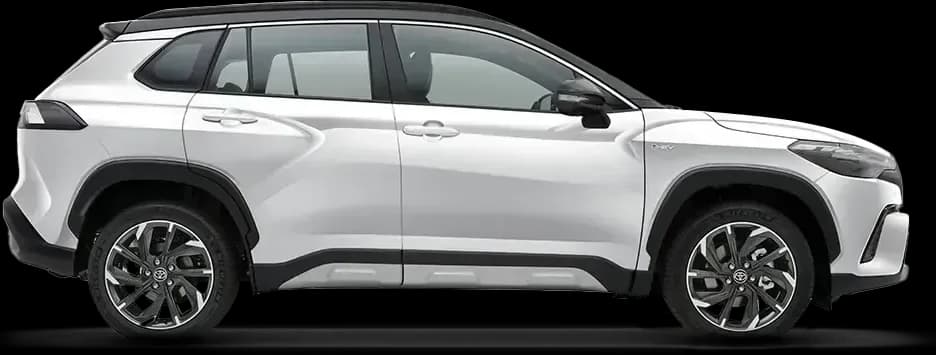
| HEV (full hybrid) | Engine and motor share the work; small battery recharged by the engine and braking | No | Yes, always | Toyota Corolla Cross 1.8 G HEV, ₱1,514,000 |
| PHEV (plug-in hybrid) | Bigger battery for short electric-only driving, engine takes over when it runs low | Yes, optional | Yes, on longer trips | BYD Seal 5 DM-i Essential, ₱948,000 |
| EREV (range-extender EV) | Wheels are always driven by the electric motor; a small engine only makes electricity | Yes, optional | Yes, as a generator | XPeng L03 REEV, ₱1,598,000 |
| BEV (battery EV) | Battery and motor only, no engine | Yes, always | No | BYD Atto 3 Dynamic, ₱1,638,000 |
HEV (full hybrid)
This is the type most Filipinos mean by "hybrid": Toyota's HEV models, Honda's e:HEV and Nissan's e-POWER (which, like an EREV, drives the wheels only with its motor but has no plug). You fill up at a gas station as usual. The gain is lower fuel use, especially in stop-and-go traffic, where the motor does much of the low-speed work and braking recharges the battery.
PHEV (plug-in hybrid)
A PHEV has a battery big enough to cover a daily commute on electricity, then behaves like a hybrid. BYD lists the Seal 5 DM-i Essential with a 7.42 kWh battery and 55 km of electric-only range on the NEDC cycle, charged on AC in about 2.5 hours. If you never plug it in, it still works, but you carry a heavy battery for little benefit.
EREV (range-extender EV)
An EREV drives like an EV all the time because the engine never turns the wheels. When the battery runs down, the engine starts and acts as a generator. Several Chinese brands launched EREVs in the Philippines in 2026; XPeng priced its L03 REEV at ₱1,598,000 when it entered the market in September 2026. Check how the LTO and DOE classify a specific EREV, since some are registered as plug-in hybrids.
BEV (battery EV)
A BEV has no engine, no oil changes and no fuel tank. You charge at home or at public chargers (see EV charging in the Philippines). The BYD Atto 3 Dynamic, for example, has a 49.9 kWh battery and a claimed 410 km range.
How much do hybrid and electric cars cost in the Philippines?
Electrified cars now start below ₱1 million, but most popular models sit between ₱1.5 million and ₱2.6 million. These are SRPs from official price lists as of November 2026:
| Model | Type | SRP |
|---|---|---|
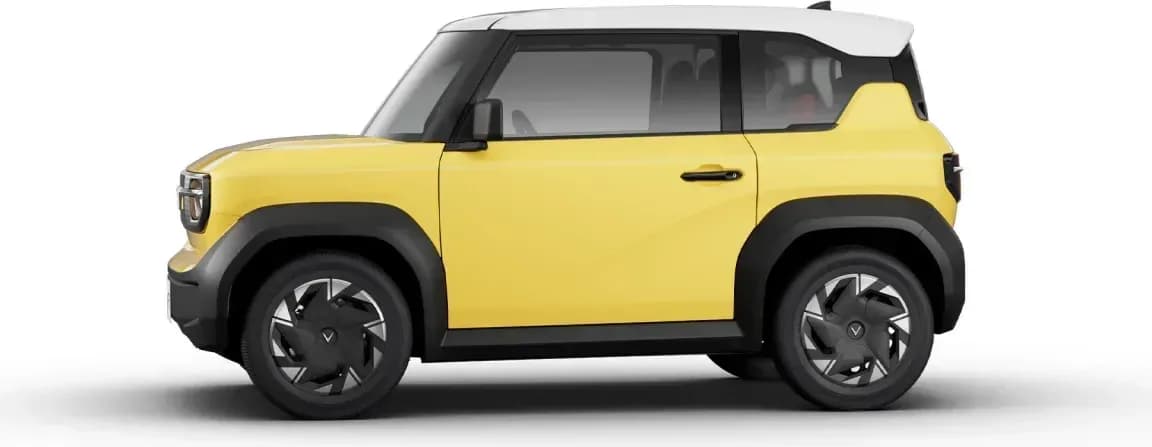
| VinFast VF 3 Standard | BEV | ₱745,000 |
| BYD Seal 5 DM-i Essential | PHEV | ₱948,000 |
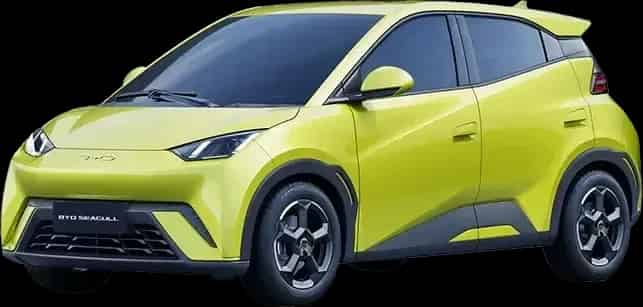
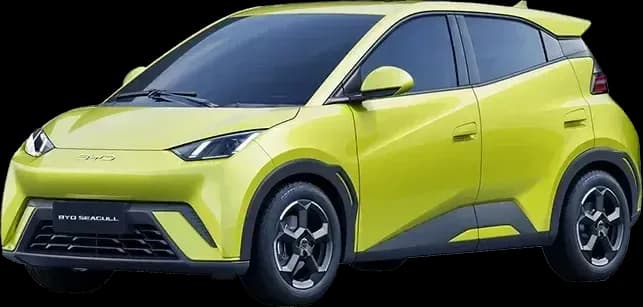
| BYD Seagull GLX | BEV | ₱968,000 |
| Chery Tiggo 7 Pro Hybrid | HEV | ₱998,000 |
| Toyota Corolla Cross 1.8 G HEV | HEV | ₱1,514,000 |
| Nissan Kicks e-POWER VE | HEV | ₱1,549,000 |
| BYD Atto 3 Dynamic | BEV | ₱1,638,000 |
| Honda CR-V 2.0 VX e:HEV | HEV | ₱2,588,000 |
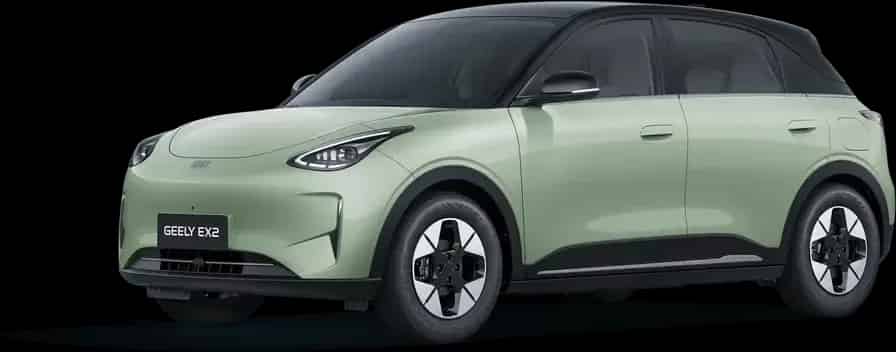
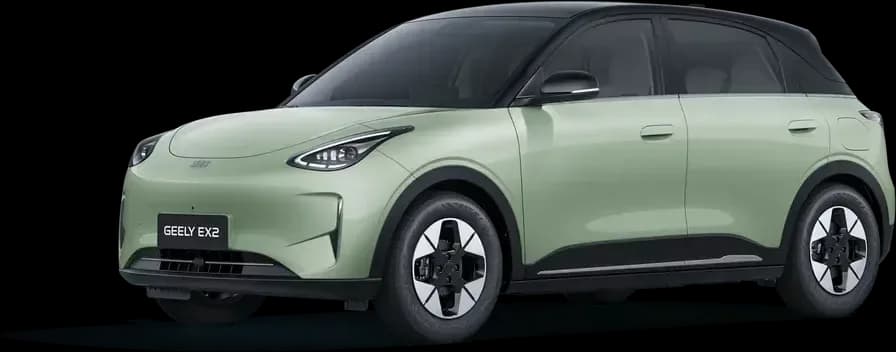
Across our catalogue, the median SRP is about ₱2.6 million for hybrids and for battery EVs, against about ₱1.6 million for gasoline and diesel cars. The cheapest electrified cars are small; like-for-like, a hybrid version usually costs more than the gasoline version of the same model. Browse every model in hybrid cars and electric cars, or the cheapest electric cars.
Which is cheaper to run, a hybrid or an EV?
A battery EV charged at home is usually the cheapest to run per kilometre; a hybrid sits between an EV and a regular gasoline car.
Here is the EV side, using the November 2026 Meralco typical household rate of ₱15.551 per kWh:
- Battery: 49.9 kWh (BYD Atto 3 Dynamic).
- Electricity for a full charge: 49.9 × ₱15.551 = about ₱776.
- Add roughly 10% for charging losses: about ₱854.
- Divide by the claimed 410 km: about ₱2.10 per km. Real-world range is usually lower than the claim, so budget ₱2.30 to ₱2.60 per km.
For a gasoline car or hybrid, the formula is pump price ÷ km per litre. A car averaging 15 km/L costs ₱1 per km for every ₱15 of pump price, so the EV above only breaks even with it if gasoline falls to around ₱32 to ₱39 per litre. Pump prices in 2026 have been far higher than that, with the DOE announcing weekly swings of several pesos per litre. A hybrid narrows the gap by raising the km per litre.
Maintenance follows the same order. A BEV has no engine oil, spark plugs or timing parts; hybrids still need regular engine service. Public fast charging costs roughly double the home rate, which narrows the EV advantage if you cannot charge at home.
What does the EVIDA law give EV and hybrid owners?
The Electric Vehicle Industry Development Act (RA 11697) lapsed into law on 15 April 2022. It gives users two groups of perks, each valid for eight years from effectivity, so roughly until 2030.
| Perk | BEV | HEV | PHEV | Mild hybrid |
|---|---|---|---|---|
| Number coding exemption (Sec. 25) | Yes | Yes | Yes | No |
| Priority registration and special plate (Sec. 25) | Yes | Yes | Yes | No |
| Discount on MVUC, registration and inspection fees (Sec. 24) | 30% | 15% | Not named in the law | No |
| Excise tax (TRAIN Law, not EVIDA) | Exempt | 50% of normal rate | Treated as hybrid | Full rate |
| Import duty (EO 12 and EO 62) | 0% until 2028 | 0% until 2028 | 0% until 2028 | Not confirmed |
Number coding exemption
Section 25 exempts EVs from the MMDA's vehicle volume reduction scheme and similar LGU programmes. In October 2025, after an MMDA system wrongly flagged an EV, the DOE said BEVs, HEVs, PHEVs and light EVs are automatically exempt and do not need a DOE certificate. The DOE's rules exclude mild hybrids. Details of the scheme are in number coding in Metro Manila.
Registration discounts and plates
The law gives BEVs 30% off and hybrids 15% off the Motor Vehicle User's Charge (MVUC) and LTO registration and inspection fees. For a car under 1,600 kg, the MVUC is ₱1,600 a year, so the BEV discount is about ₱480 a year: helpful, but small. We could not find an LTO circular setting out how the discount and the special EV plate are applied in 2026, so check the itemised LTO official receipt on your new-vehicle registration.
Excise tax and tariffs
These have the bigger effect on the sticker price. The TRAIN Law taxes cars at 4% to 50% of the manufacturer's or importer's price, depending on the price bracket. Purely electric cars are exempt and hybrids pay half. On tariffs, Executive Order 12 (January 2023) cut import duty on many battery EVs to zero, and Executive Order 62 (June 2024) extended zero duty to hybrids, plug-in hybrids and e-motorcycles until 2028.
Should you buy a hybrid or an electric car?
Choose by where you park and how far you drive, not by the badge.
- Pick a BEV if you have a parking slot where a charger can be installed, mostly drive in and around the city, and want the lowest running cost. Check your longest regular trip against the car's real-world range.
- Pick a PHEV or EREV if you can charge at home on weekdays but often drive to the province where chargers are sparse.
- Pick an HEV if you park on the street or in a condo without a charger, drive long distances, or want a car that works exactly like a gasoline car, with the coding exemption as a bonus.
- Stay with gasoline or diesel if your budget is under ₱900,000 and you need a seven-seater or pickup; electrified options there are still few.
Before you sign, compare monthly payments with the car loan calculator and line models up side by side in compare.
Questions and answers
Do hybrid cars need to be charged?
A regular hybrid (HEV) never needs to be plugged in; its small battery is charged by the engine and by braking. Only plug-in hybrids (PHEVs), range-extender EVs and full battery EVs are charged from a wall outlet or charger.
Are hybrid cars exempt from number coding in Metro Manila?
Yes, full hybrids, plug-in hybrids and battery EVs are exempt under Section 25 of RA 11697, and the DOE said in October 2025 that no separate certificate is needed. Mild hybrids that cannot move on electric power alone are not covered.
What is the cheapest electric car in the Philippines?
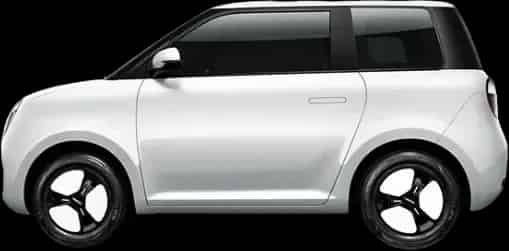
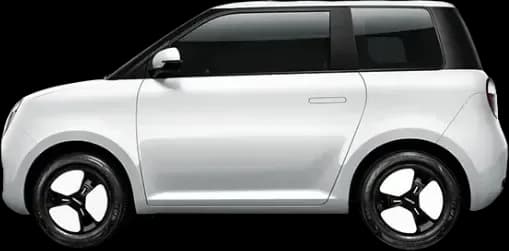
As of November 2026 the lowest SRP in our catalogue is the VinFast VF 3 at ₱745,000, followed by the Changan Lumin at ₱799,000 and the BYD Seagull at ₱968,000. Prices change often, so check the current list before visiting a casa.
Is a mild hybrid the same as a hybrid?
No. A mild hybrid only assists the engine and cannot drive on electricity alone. Philippine law treats it as an ordinary gasoline car: it gets no hybrid excise discount and the DOE excludes it from the coding exemption.
How long does a hybrid battery last?
Hybrid batteries are built to last many years, and brands back them with separate warranties. Honda Philippines, for example, covers the CR-V e:HEV hybrid battery for 8 years or 160,000 km. Check the battery warranty on the specific model before you buy.
When do the EVIDA incentives end?
The coding exemption, priority registration and the MVUC and registration discounts under RA 11697 last eight years from the law taking effect in 2022, so roughly until 2030 unless Congress extends them.
Do electric cars pay excise tax in the Philippines?
No. Under the TRAIN Law, purely electric cars are exempt from the automobile excise tax, while hybrids pay half the normal rate. Ordinary gasoline and diesel cars pay 4% to 50% depending on price.
Sources
- Republic Act No. 11697, Electric Vehicle Industry Development Act (Lawphil)
- Republic Act No. 10963, TRAIN Law, Section 149 excise tax on automobiles (Lawphil)
- Executive Order No. 62, s. 2024, modifying import duty rates incl. HEVs and PHEVs (Lawphil)
- ABS-CBN News: E-motorcycles, e-bikes now also zero tariff until 2028 (16 May 2024)
- Power Philippines: DOE clarifies EVs automatically exempt from number coding (8 October 2025)
- AutoIndustriya: No mild hybrids in DOE's EV, BEV, PHEV list
- Philstar: Meralco rates rise in November (14 November 2026)
- Toyota Motor Philippines: Corolla Cross prices
- Nissan Philippines: price guide
- BYD Cars Philippines: price list
- Changan Philippines: price list
- Honda Cars Philippines: CR-V model page and hybrid battery warranty
- VinFast Philippines: price list
- Context.ph: XPENG enters Philippine market with six EV variants (26 September 2026)
- Daily Tribune: DOE announces fuel price rollback (9 November 2026)